What if a customer could finish a tiramisu and then eat the cup too? An edible tiramisu cup combines a crisp cookie shell with coffee-soaked sponge, mascarpone cream and cocoa. The visual twist gives a home baker both a sellable dessert and a strong social-media demonstration.
This guide explains how to test an edible tiramisu cup business in India, including the starter budget, materials, production method, sample costing, pricing, launch plan and food-safety checks. The figures are planning estimates, not guaranteed earnings.
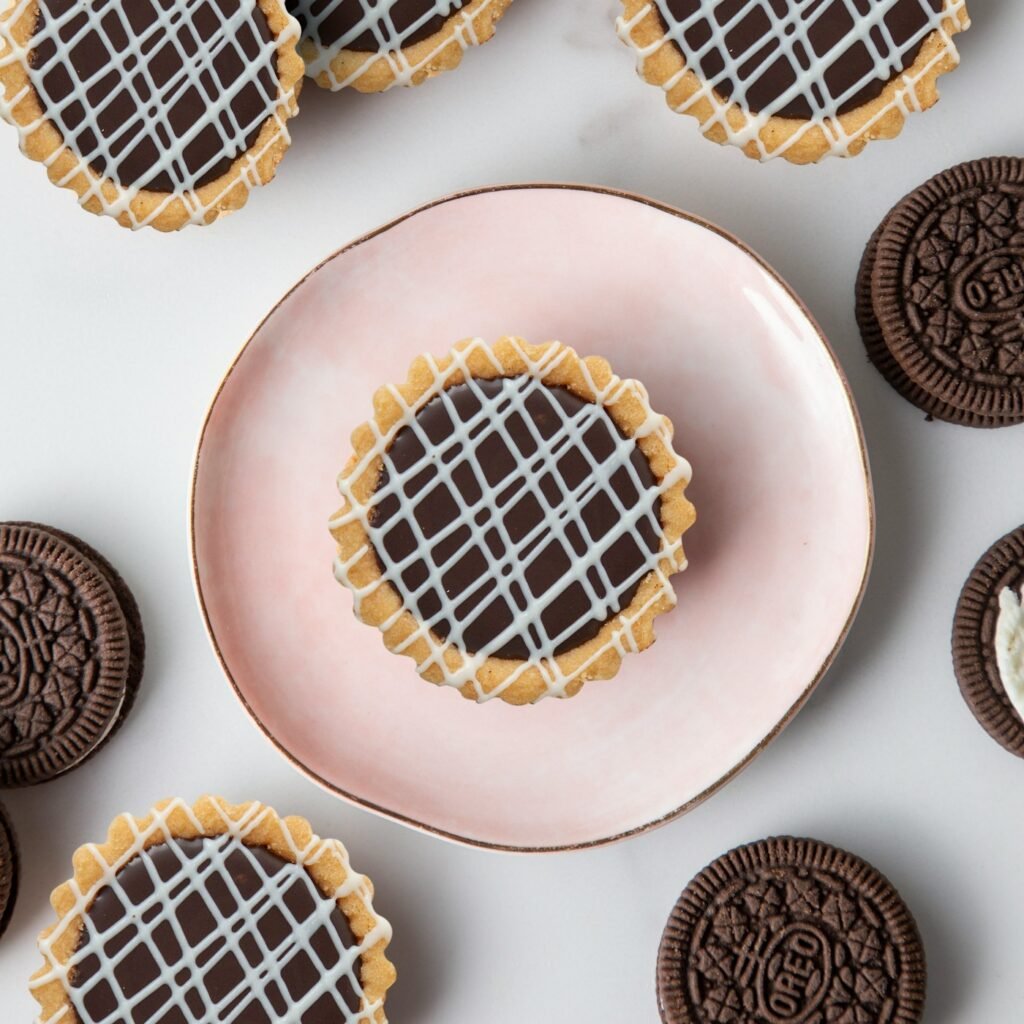
Featured photo by Perspective Studio on Unsplash. The photograph is illustrative; the commercial product described below uses an edible cookie cup.
What Is an Edible Tiramisu Cup?
The product has two edible parts. The outer cup is baked from cookie-style dough. After it cools, the inside is coated with a thin chocolate barrier and filled with a controlled layer of coffee-soaked sponge, mascarpone cream and cocoa.
The customer first eats the chilled tiramisu and then bites into the cup. That second moment is naturally suited to Reels, customer-reaction videos, pop-ups, birthday orders and dessert gifting.
Can It Be Started Below Rs 10,000?
A home pilot can fit within approximately Rs 5,500 to Rs 9,900 only when you already own a working oven, refrigerator, mixer or whisk and basic kitchen equipment. If you must buy major appliances, calculate them separately.
| Starter item | Planning range | Purpose |
|---|---|---|
| Food-grade cup moulds | Rs 600 to Rs 1,200 | Small-batch shell production |
| Scale and hand tools | Rs 800 to Rs 1,400 | Scale, bowls, spatula and piping tools |
| Opening ingredients | Rs 1,800 to Rs 3,000 | Cookie shells, filling, coffee, cocoa and chocolate |
| Packaging | Rs 700 to Rs 1,200 | Rigid boxes, inserts, labels and liners |
| Content and labels | Rs 300 to Rs 600 | Initial menu cards and label printing |
| Cleaning and hygiene | Rs 300 to Rs 600 | Food-safe cleaning and storage supplies |
| Testing and wastage buffer | Rs 1,000 to Rs 1,900 | Trials, breakage and price variation |
| Indicative total | Rs 5,500 to Rs 9,900 | Excludes major equipment, licences and delivery |
Materials and Ingredients
- Cookie cup: flour, butter, icing sugar, salt, vanilla and optional cocoa
- Moisture barrier: melted or tempered chocolate brushed inside the cooled shell
- Filling: mascarpone, chilled whipping cream, icing sugar and vanilla
- Coffee layer: cooled espresso or strong coffee with sponge or ladyfinger pieces
- Finishing: cocoa powder; strawberry or pistachio can be introduced after testing
- Packaging: rigid boxes with inserts that stop the cups from moving during delivery
How to Make the Product
- Prepare the dough. Cream butter and icing sugar, then mix in flour, salt and vanilla. The dough should hold the moulded shape without becoming sticky.
- Shape and bake. Press an even layer into food-grade cup moulds. Record the exact time and temperature that work in your oven.
- Cool completely. Remove the shell only when it is structurally stable. Trapped warmth can soften the cream or chocolate.
- Add a moisture barrier. Brush the inner surface with a thin, complete layer of chocolate and allow it to set.
- Prepare the filling safely. Use an eggless formula or a validated pasteurised-egg process. Keep dairy ingredients refrigerated.
- Layer close to dispatch. Add a controlled amount of coffee-soaked sponge, pipe the cream and finish with cocoa. Too much coffee will soften the cup faster.
- Chill and test. Keep the finished dessert below 5 C and test texture through the longest delivery window you intend to offer.
Pilot Formula for About Ten Cups
| Component | Starting test quantity | What to measure |
|---|---|---|
| Cookie shell | 300 g flour, 160 g butter, 100 g icing sugar | Shell thickness, bake loss and breakage |
| Chocolate barrier | 120 to 160 g | Coverage and added cost |
| Cream filling | 250 g mascarpone, 200 ml whipping cream, 40 to 60 g icing sugar | Yield, sweetness and stability |
| Coffee layer | 100 to 130 ml cooled coffee plus sponge pieces | Moisture level and crispness window |
This is a product-development starting point, not a guaranteed commercial recipe. Ingredient brands, mould dimensions, oven behaviour and local temperature will change the result. Weigh every component and record each test batch.
Sample Cost and Pricing
For a pilot batch of ten cups, ingredients may cost approximately Rs 700 to Rs 900, packaging Rs 120 to Rs 180, and utilities plus normal test wastage Rs 100 to Rs 150. That produces an illustrative batch cost of Rs 920 to Rs 1,230, or about Rs 92 to Rs 123 per cup, before labour and delivery.
| Selling price | Revenue for ten cups | Contribution before labour, delivery, tax and marketing |
|---|---|---|
| Rs 199 | Rs 1,990 | Approximately Rs 760 to Rs 1,070 |
| Rs 249 | Rs 2,490 | Approximately Rs 1,260 to Rs 1,570 |
Contribution is not net profit. Subtract labour, delivery support, promotions, payment charges, taxes, damaged stock and unsold inventory before calculating profit.
How to Price an Edible Tiramisu Cup
Use this formula: ingredient cost + packaging + wastage allowance + labour + overhead allocation + selling fees + target profit. Depending on portion size, ingredients, location and positioning, a tested cup may be priced roughly between Rs 150 and Rs 350. Validate the price with paying customers rather than copying another bakery.
- Sell boxes of two or four instead of accepting single-cup deliveries.
- Take preorders and payment confirmation before producing chilled stock.
- Use one cream base across the first two flavours.
- Record broken shells, samples and remakes as costs.
- Charge delivery separately during the pilot unless the order value absorbs it.
Best Flavours for the First Menu
Begin with Classic Coffee and Double Chocolate. They can share most ingredients, which keeps purchasing and production simple. Add strawberry or pistachio only after the base cup remains crisp through preparation, refrigeration and delivery.
Seven-Day Launch Plan
| Day | Action | Required result |
|---|---|---|
| 1 | Test two shell thicknesses | Select the version that releases cleanly |
| 2 | Test the chocolate barrier and coffee quantity | Measure crispness at one, two, four and six hours |
| 3 | Cost the successful batch | Set the preorder price and minimum order |
| 4 | Create ten tasting units | Collect structured feedback from target buyers |
| 5 | Shoot product and reaction clips | Create one hero Reel and three Story assets |
| 6 | Open a limited preorder window | Cap orders at tested capacity |
| 7 | Deliver locally and review results | Update costing, hold time and packaging notes |
Marketing the Dessert on Instagram
The strongest content is the reveal: the customer finishes the filling and then bites the edible rim. Show that moment within the opening seconds. Useful supporting shots include the cocoa-dusted top, a clean cross-section, the empty edible cup, the customer reaction and the box being closed for delivery.
Ask permission before filming or reposting a customer’s face. A genuine repeat order is stronger business evidence than a reaction video with high views.
Food Safety and Legal Checklist
- Confirm the appropriate FSSAI registration or licence category through the official FoSCoS portal.
- Check local municipal, trade, home-kitchen and building requirements.
- Maintain chilled ingredients and finished desserts below 5 C.
- Use an eggless method or pasteurised ingredients; avoid unvalidated raw-egg processes.
- Declare allergens such as wheat or gluten, milk, egg when used, and nuts including pistachio.
- Keep supplier invoices, ingredient lots, batch records and customer order details.
- Start with same-day fulfilment and extend shelf life only after documented testing.
Use FoSCoS and the FSSAI website as official starting points. Consult a qualified food technologist or compliance professional for your exact formulation and sales model.
Frequently Asked Questions
Is the cup really edible?
Yes. The container is a baked cookie shell. A thin chocolate coating helps slow moisture transfer from the filling into the cup.
Can this business start below Rs 10,000?
It may be possible as a small home pilot if you already own an oven, refrigerator and basic tools. Buying major equipment will increase the investment.
How long will the cookie cup stay crisp?
There is no universal answer. Shell thickness, chocolate coverage, coffee quantity, filling, temperature and packaging all matter. Test your exact product at one, two, four and six hours before setting a customer-facing period.
What should the first two flavours be?
Classic coffee and chocolate are practical starting options because they can share most of the base ingredients.
Is Rs 199 per cup profitable?
It depends on your measured cost. Ingredient quality, portion size, packaging, labour, delivery and wastage vary. Price only after costing a successful test batch.
Final Recommendation
Do not begin with a large menu or daily stock. Start with one size, two flavours, a short delivery radius and prepaid boxes of two or four. Your first goal is twenty paid cups across two controlled production days. Use those orders to confirm cost, repeatability, texture at delivery and willingness to reorder.
Explore more low-investment business ideas and food business opportunities on Simply Business Hub.
Disclaimer: This article is for education and early business planning. Costs, prices, demand and margins vary by location, ingredients, portion size and operating method. It does not guarantee income or shelf life and is not legal, tax or food-technology advice. Validate the recipe, storage, packaging, allergens, registrations and local permissions before selling.