Commercial Seedling Nursery Business: Why Farmers Buy Seedlings Instead of Raising Everything Themselves
Commercial seedling nurseries solve a simple but important problem for farmers: raising healthy, uniform seedlings takes time, care, space and skill. For crops such as tomato, chilli, brinjal and capsicum, many growers prefer to buy ready-to-transplant seedlings from a nursery rather than manage germination, early disease risk and weak or uneven plants on their own.
That creates a business opportunity for entrepreneurs who can produce reliable seedlings in trays, maintain quality, and deliver the right crop at the right time.
The key idea is simple: farmers start earning only after cultivation begins, but the nursery business earns by supplying the planting material before cultivation starts.
How the Business Works
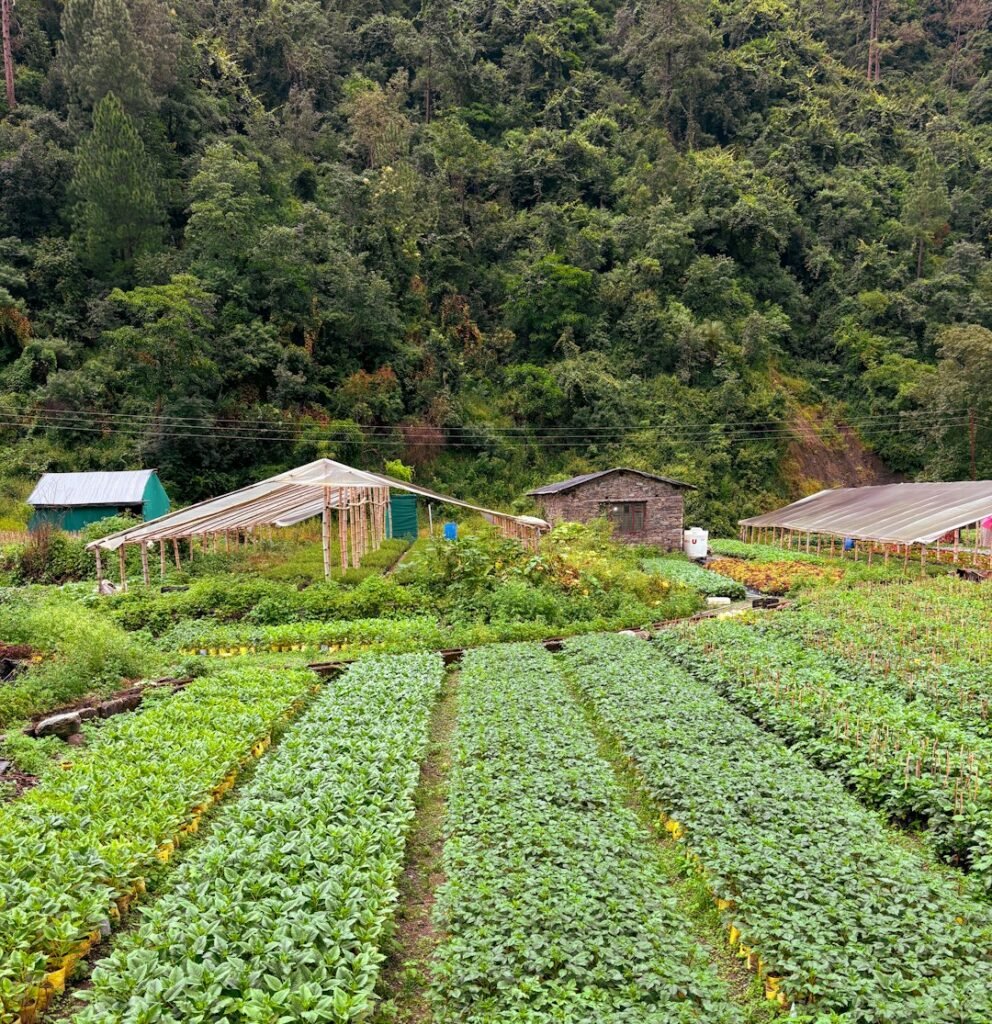
A commercial seedling nursery usually uses pro trays filled with cocopeat or another suitable nursery medium. Seeds are sown in individual cells and raised under protected conditions with controlled watering, nutrition and disease management. Once seedlings reach the correct transplant stage, they are graded and supplied to farmers.
The same broad business model can also extend beyond vegetable seedlings. Sugarcane single-bud or bud-chip nursery systems, for example, use a different production process but follow the same commercial logic: produce healthy planting material and sell it to growers in bulk.
Who Can Start This Business?
This business can suit farmers, agri-input dealers, rural entrepreneurs, existing nurseries, FPO-linked entrepreneurs and people with access to a small protected nursery space. You do not necessarily need acres of land. What matters more is usable nursery area, reliable water, hygiene, production discipline and a nearby customer base.
Basic Setup You May Need
- Shade-net or protected nursery structure
- Pro trays suitable for the selected crop
- Quality cocopeat or nursery growing media
- Reliable seed from trusted suppliers
- Watering or misting arrangement
- Benches or raised working area
- Basic sprayers, measuring tools and nursery hygiene materials
- Space for hardening and dispatch
- Simple order and batch records
A beginner should not buy equipment first and then search for farmers. Demand validation should come before expansion.
The Smartest Model: Produce Against Orders
Seedlings are perishable inventory. If you raise large quantities without confirmed demand, unsold seedlings quickly become a loss. A safer model is to collect orders first.
For example, a farmer may need 20,000 chilli seedlings for a specific transplanting date. The nursery can schedule sowing backwards from that requirement and produce with a small buffer for germination loss and rejection.
This pre-order or contract nursery model reduces unsold stock risk and makes production planning much more predictable.
What Crops Can Be Considered?
Common commercial nursery crops include tomato, chilli, brinjal, capsicum, cabbage, cauliflower and selected cucurbits. Crop choice should depend on local farmer demand, season, seed availability and the transplanting pattern in your district.
Sugarcane can also be a specialised opportunity through single-bud seedling systems, but it requires a separate production workflow and should not be treated exactly like a vegetable pro-tray nursery.
How Much Can You Earn?
There is no single fixed profit per seedling. Margin depends on the crop, seed cost, hybrid variety, tray reuse, germination percentage, survival rate, labour, cocopeat, nutrition, delivery and the selling price you actually realise.
A simple planning formula is:
Saleable seedlings × selling price = gross sales
Then subtract seed, media, labour, water, nutrition, tray depreciation, mortality, transport and other operating costs to estimate actual profit.
Even a small difference in margin matters at scale because farmers usually buy seedlings in bulk. But this is exactly why volume should be tied to confirmed orders rather than assumptions.
Realistic Startup Approach
Instead of immediately targeting one lakh seedlings, a beginner can start with a pilot batch, build relationships with nearby farmers and dealers, measure germination and survival, track actual cost per saleable seedling, and only then scale.
A practical sequence is:
- Identify the 2–3 crops with the strongest local demand.
- Speak to at least 10–15 farmers or local agri dealers.
- Collect expected quantity and transplanting dates.
- Get quotations for trays, cocopeat, seed, shade-net and irrigation.
- Run a small batch and record every cost.
- Compare actual cost per saleable seedling with the local selling price.
- Scale only after repeat demand appears.
Where Customers Can Come From
- Vegetable farmers
- Sugarcane growers
- Commercial farms
- FPOs and farmer groups
- Agri-input shops
- Local nurseries
- Contract growers and aggregators
WhatsApp farmer groups, village-level dealers, field demonstrations and direct relationships usually matter more than broad online advertising for this type of business.
Government Support: What to Check
Protected nursery infrastructure, shade-net structures and hi-tech plug nursery components may fall under horticulture-support schemes such as MIDH, subject to current state implementation, eligibility, technical specifications and prior approval. Financing routes may also be available through agriculture-related credit schemes.
Do not build your investment plan assuming subsidy is guaranteed. Always verify the current component, eligible unit size, beneficiary category and application process with the District or State Horticulture Department before spending.
Main Risks You Should Understand
- Unsold seedlings due to wrong demand forecasting
- Poor germination from low-quality seed
- Damping-off and other nursery diseases
- Overwatering or poor water quality
- Wrong crop timing
- Heat stress and poor hardening
- Farmer cancellations or delayed pickup
- Transport damage
- Local price competition
The best defence is good hygiene, production records, buffer planning and advance orders.
Is This Business Worth Exploring?
Yes, if your area has regular vegetable or sugarcane cultivation and you can build repeat farmer relationships. The business is especially attractive when you can sell in bulk on pre-order, maintain strong survival rates and avoid producing random inventory.
It is not an automatic-profit business. The real advantage comes from discipline: accurate scheduling, seed quality, nursery management and customer planning.
Want the Complete Business Blueprint?
This free guide gives you the business model and a practical way to validate demand. If you want the deeper execution details, the Commercial Seedling Nursery Business Blueprint includes the full setup plan, crop-wise production logic, capacity calculations, startup models, cost and profit scenarios, sugarcane single-bud module, government-support guidance, risk controls, procurement checklist and 90-day launch roadmap.
Get the 20-Page Commercial Seedling Nursery Blueprint for ₹99 →
What the paid blueprint adds: crop-wise production logic, tray-capacity calculations, realistic investment scenarios, cost and margin planning, procurement checklist, sugarcane single-bud module, government-support verification points, risk controls and a 90-day launch roadmap.
Sources & Verification
- ICAR-CIWA: Pro-tray seedling production
- TNAU: Pro-tray nursery techniques
- TNAU: Sustainable Sugarcane Initiative
- MIDH Guidelines: protected cultivation and plug nursery components
Important: This article and the paid blueprint are educational business-planning resources. Costs, prices, yields, scheme benefits and profits vary by location, crop, season, quality and market conditions. Verify current local quotations, agronomic recommendations, registrations and scheme rules before investing.