1. BUSINESS OVERVIEW
Business Name (example): Shampoo Ginger Cultivation & Herbal Supply
Nature of Business:
Cultivation, nursery sales, semi-processed herbal raw material supply, and optional niche product development.

Core Idea:
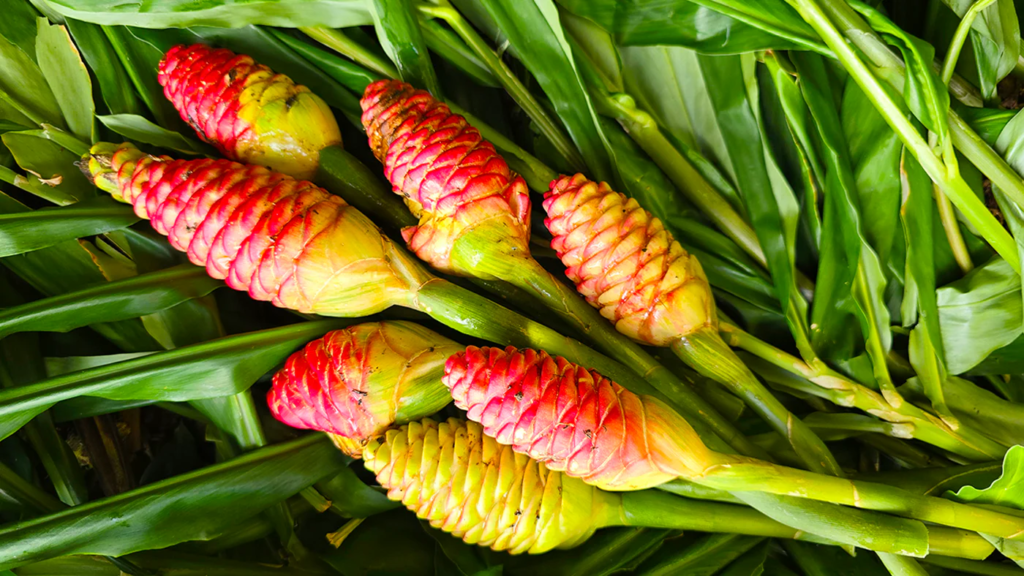
Shampoo Ginger is a medicinal plant used mainly in Ayurvedic medicine, herbal cosmetics, and spa/wellness products.
The business becomes viable only when positioned as a B2B supply or niche product business, not as mass FMCG.
2. PRODUCT & USE CASES (REALISTIC)
Primary Products
-
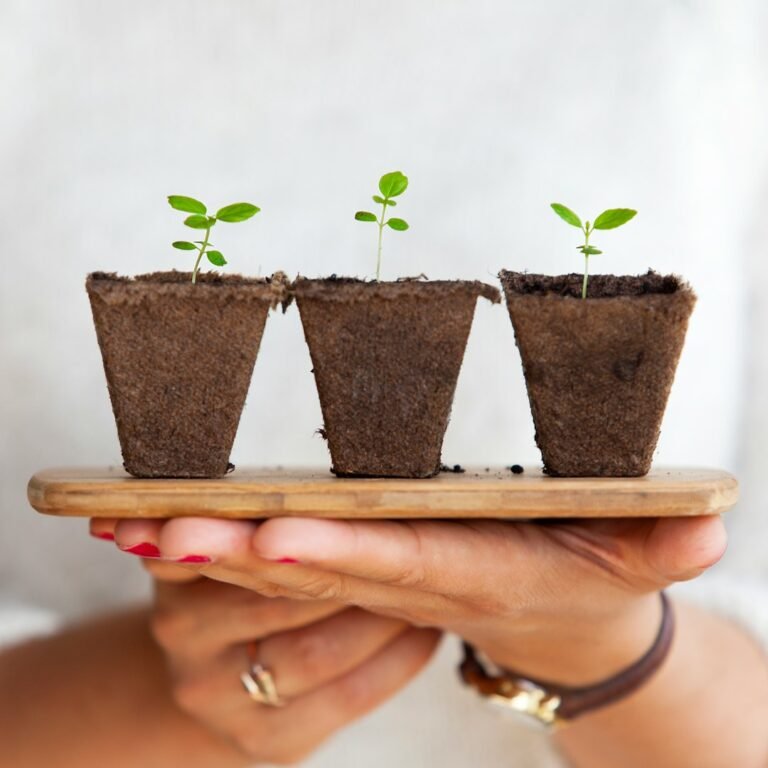
Live Shampoo Ginger plants (nursery)
-
Fresh flower cones (limited demand)
-
Rhizomes (for planting and medicine)
-
Semi-processed extract (small batches)
End Uses
-
Herbal shampoo & hair cleansers
-
Hair oil and scalp treatments
-
Ayurvedic formulations
-
Spa & wellness treatments
-
Medicinal plant nursery market
⚠️ Important Reality:
Demand is niche, not mass-market. Success depends on correct buyers, not volume farming.
3. BUSINESS MODELS (PRACTICAL OPTIONS)
Model 1: Nursery & Plant Sales (Recommended for Beginners)
-
Selling live plants and rhizomes
-
Buyers: gardeners, farmers, herbal enthusiasts
-
Lowest risk, steady demand
Model 2: Raw Material Supply (Moderate)
-
Selling rhizomes and cones to traders
-
Buyers: Ayurvedic raw material traders
-
Lower margins, depends on local demand
Model 3: Semi-Processed Supply (Better Margins)
-
Extracted liquid (unbranded, bulk)
-
Buyers: small herbal cosmetic brands, spas
-
Requires hygiene and consistency
Model 4: Branded Niche Product (Advanced)
-
Small-batch herbal hair wash
-
High margin but marketing-dependent
-
Should be done only after market validation
4. LAND / AREA REQUIREMENT
Minimum Area
-
Small start: 500–1,000 sq.ft (nursery + trial cultivation)
-
Scalable farming: 0.25–1 acre
Soil & Climate
-
Well-drained loamy soil
-
Partial shade preferred
-
Tropical to subtropical climate
-
Requires moderate watering
5. INVESTMENT (REALISTIC ESTIMATE – INDIA)
Small-Scale Start (₹30,000 – ₹60,000)
-
Planting material: ₹10,000–15,000
-
Grow bags / beds: ₹8,000–12,000
-
Organic manure: ₹5,000
-
Basic tools & irrigation: ₹5,000–8,000
-
Packaging & transport (local): ₹3,000–5,000
Semi-Processed Setup (₹75,000 – ₹1.5 lakh)
-
Extraction tools
-
Hygiene setup
-
Storage containers
-
Basic testing & packaging
⚠️ No expensive machinery required initially.
6. CULTIVATION & PROCESS (STRAIGHT FACTS)
Growth Cycle
-
8–10 months for maturity
-
Perennial plant (can regrow)
Maintenance Required
-
Regular watering (not waterlogged)
-
Weed control
-
Organic pest management
-
Shade management
Processing (if applicable)
-
Manual extraction from cones
-
Filtration
-
Hygienic storage
-
No chemical additives
7. MARKETPLACE & BUYERS
Where to Sell
-
Local Ayurvedic raw material markets
-
Herbal medicine traders
-
Nursery exhibitions & plant fairs
-
Direct B2B via WhatsApp / Instagram
-
Small cosmetic brands & spas
Reality Check
-
No assured buyers unless pre-identified
-
Relationship-based selling works best
-
Export possible only after volume & compliance
8. MARKETING STRATEGY (PRACTICAL)
Low-Cost Methods
-
Instagram Reels (education-based)
-
WhatsApp catalog
-
Direct outreach to Ayurvedic stores
-
Nursery listings
-
Local exhibitions
What Works
-
Showing cultivation process
-
Explaining use cases clearly
-
Targeting businesses, not random customers
9. REVENUE EXPECTATION (CONSERVATIVE)
⚠️ Exact income varies by region, demand, and execution.
-
Nursery sales offer better consistency
-
Raw supply gives lower but stable returns
-
Semi-processed supply gives 2–3× better margins
-
Branded products give high margins but higher risk
This is a supplementary or scalable business, not guaranteed fixed income.
10. MERITS (ADVANTAGES)
✔ Low initial investment
✔ Multiple income routes
✔ Growing herbal & wellness demand
✔ Suitable for small landholders
✔ Value addition possible
11. DEMERITS (REAL RISKS)
❌ Niche demand (not mass market)
❌ Buyer discovery required
❌ Seasonal demand variations
❌ Marketing skill needed for branding
❌ Not suitable for those expecting quick profits
12. NEGATIVE FACTORS & CONSIDERATIONS
-
Overproduction without buyers leads to losses
-
Quality inconsistency can kill repeat orders
-
Regulatory compliance needed for cosmetics
-
Labour availability affects scaling
13. MAINTENANCE & COMPLIANCE
-
Organic cultivation preferred
-
Clean handling & storage
-
FSSAI / cosmetic registration needed for branded products
-
Proper labeling for sale
14. WHO SHOULD DO THIS BUSINESS
✔ Farmers seeking value addition
✔ Herbal product startups
✔ Nursery owners
✔ Content-driven entrepreneurs
✔ Small traders testing niche markets
❌ Not suitable for:
-
People expecting guaranteed income
-
Those unwilling to market or sell
-
Those looking for passive income
FINAL CONCLUSION (HONEST)
Shampoo Ginger is not a miracle crop.
It becomes a real business only with correct positioning, controlled production, and buyer-focused execution.
Start small. Validate demand. Scale only when orders exist.
DISCLAIMER
This business plan is prepared for educational and informational purposes only.
Actual results may vary depending on location, climate, market access, pricing, regulations, and execution.
The creator does not guarantee profits or fixed income.
Readers are advised to conduct local market validation, regulatory checks, and professional consultation before investing.