 1. Executive Summary

The Monk
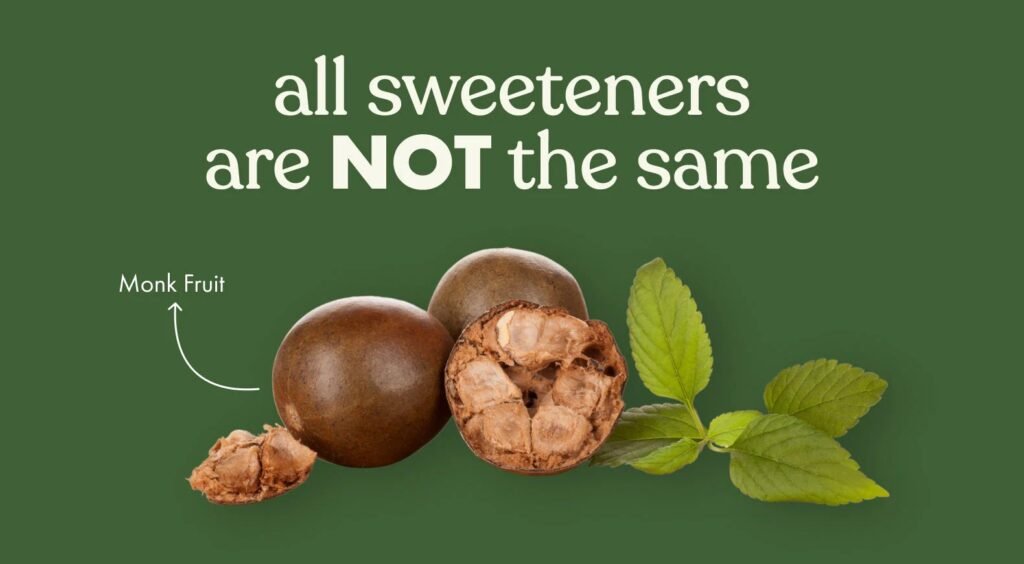
Fruit Powder business in India aims to import high-quality monk fruit from
international suppliers (primarily from China or Thailand) and process it into
powder form for retail and bulk distribution. The product will cater to
health-conscious consumers, diabetics, and businesses in the food and beverage
industry seeking natural, zero-calorie sweeteners.
2. Business Objectives
- Import monk fruit from
reputed suppliers and establish a supply chain. - Set up a processing unit in
India for drying and converting monk fruit into powder. - Establish a strong
distribution network via e-commerce, retail stores, and bulk supply to
food manufacturers. - Educate consumers about the
benefits of monk fruit as a natural sweetener. - Achieve a revenue of ₹10
crore within the first three years.
 3. Market Analysis
Industry Overview
- The demand for natural
sweeteners is increasing in India due to rising health awareness and
growing cases of diabetes and obesity. - The global monk fruit
sweetener market is projected to grow significantly, with India emerging
as a potential market due to its large diabetic population. - Monk fruit-based products
are gaining popularity as a substitute for artificial sweeteners like
aspartame and sucralose.
Target Audience
- Health-conscious consumers
looking for a natural sugar alternative. - Diabetics and fitness
enthusiasts. - Food and beverage companies
producing sugar-free or low-calorie products. - Ayurveda and organic product
retailers.
Competitor Analysis
- Currently, very few Indian
brands offer monk fruit sweeteners, providing an early mover advantage. - Competitors include
stevia-based brands, honey producers, and artificial sweetener companies.
4. Business Model
Product Offerings
- Retail Packets: Monk fruit powder in 100g,
250g, and 500g packs. - Bulk Sales: Supplying to food
manufacturers and restaurants. - Value-added Products: Monk fruit-based sugar
substitutes for baking and beverages.
Revenue Streams
- Direct online sales (own
website and marketplaces like Amazon, Flipkart). - B2B sales to health food
brands and bakeries. - Retail distribution in
organic and health stores. - Subscription-based sales for
diabetic and fitness-conscious consumers.
5. Sourcing & Import Strategy
- Supplier Selection: Partner with certified
monk fruit farms in China or Thailand. - Regulatory Compliance: Obtain necessary FSSAI
approvals for food imports. - Customs & Logistics: Import monk fruit extract
in bulk, ensuring cost efficiency.
6. Processing & Packaging
- Processing Unit: Setup in an industrial
area with food-grade certifications. - Packaging: Eco-friendly, attractive
packaging to target premium health-conscious buyers. - Quality Control: Maintain high purity
levels, ensuring no additives or artificial ingredients.
7. Marketing & Branding Strategy
Brand Positioning
- Premium, 100% natural,
zero-calorie sweetener. - Alternative to artificial
sweeteners and sugar.
Marketing Channels
- Digital Marketing: SEO, social media ads,
influencer partnerships. - Content Marketing: Blogs, YouTube, and
Instagram videos educating consumers. - Retail Promotions: Collaborate with organic
stores and health food retailers. - B2B Outreach: Direct sales to food
processing companies and restaurants.
8. Financial Plan
Estimated Investment
- Import & Logistics: ₹50 lakh
- Processing Unit Setup: ₹30 lakh
- Marketing & Branding: ₹20 lakh
- Working Capital: ₹20 lakh
- Total Initial Investment: ₹1.2 crore

Projected Revenue (Year 1-3)
- Year 1: ₹2 crore
- Year 2: ₹5 crore
- Year 3: ₹10 crore

9. Regulatory & Legal Compliance
- FSSAI License for food processing and
import. - Import Licenses from DGFT.
- GST Registration for tax compliance.
- Trademark Registration for branding protection.
10. Growth & Expansion Plan
- Expand to international
markets (Middle East & South Asia). - Develop monk fruit-based
chocolates and energy drinks. - Open exclusive retail
outlets for natural sweeteners.
Conclusion
With the rising demand for natural sweeteners in
India, a monk fruit powder business presents a lucrative opportunity. By
leveraging early entry, effective branding, and strong distribution, the
business can establish itself as a leader in this segment.